
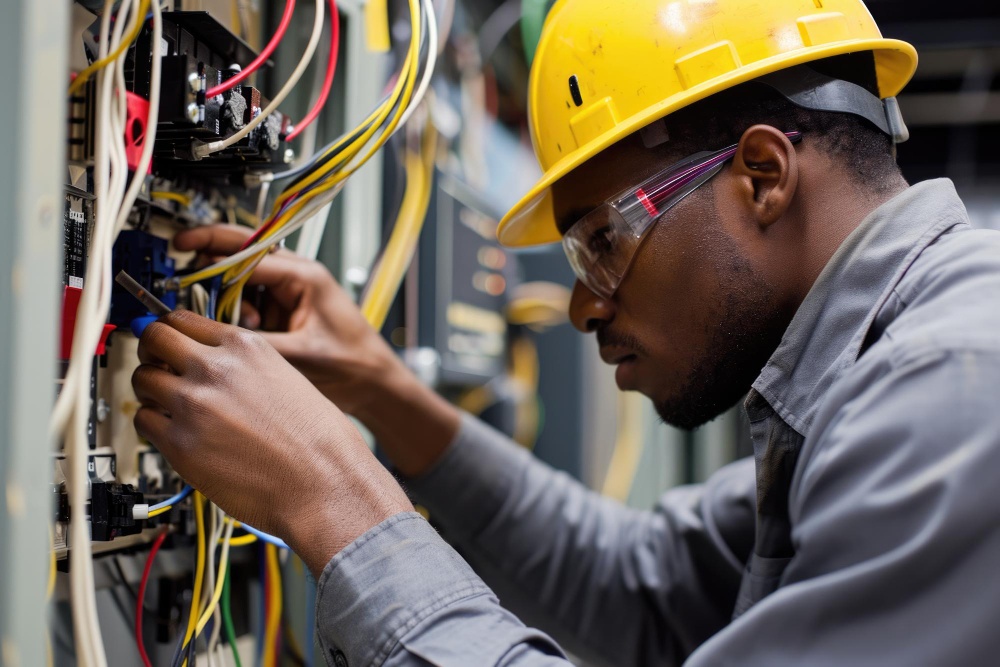
Commercial Electrical Problems: Common Causes and Professional Solutions
Commercial electrical problems can affect productivity, interrupt daily operations and create serious safety risks. Businesses depend on reliable electrical systems to operate equipment, lighting, computers and essential machinery. However, electrical faults can develop over time because of overloaded circuits, damaged wiring and poor maintenance.
Understanding common commercial electrical problems helps business owners identify warning signs before they become expensive emergencies. With professional electrical inspections, repairs and maintenance, businesses can improve electrical safety and maintain reliable operations.
1. Frequent Power Trips and Circuit Breaker Problems
Frequent circuit breaker trips are among the most common commercial electrical problems. Circuit breakers protect electrical systems by interrupting the power supply when they detect an overload or electrical fault.
However, repeated tripping may indicate that a circuit is carrying too much electrical load. It could also point to damaged wiring, faulty equipment or a short circuit.
Businesses should not repeatedly reset a breaker without investigating the cause. A qualified electrician can inspect the distribution board, identify the problem and recommend suitable repairs.
2. Overloaded Electrical Circuits
Commercial buildings often contain several electrical appliances and machines operating simultaneously. When too many devices draw power from one circuit, the system may become overloaded.
Overloaded circuits can cause overheating, damaged equipment and unexpected power interruptions. In severe situations, they can increase the risk of electrical fires.
A professional electrical assessment can determine whether the existing electrical installation can handle the building’s power requirements. Businesses may need additional circuits, distribution board upgrades or improved electrical load management.
3. Flickering Lights and Voltage Fluctuations
Flickering lights may appear harmless, but they can indicate underlying commercial electrical problems. Loose connections, damaged wiring, overloaded circuits and unstable voltage can all contribute to inconsistent lighting.
Voltage fluctuations can also affect sensitive equipment, computers and commercial machinery. Businesses that experience repeated lighting issues should arrange an electrical inspection.
An electrician can investigate the source of the fluctuation and recommend appropriate corrective measures.
4. Damaged Wiring and Electrical Connections
Electrical wiring deteriorates over time, especially in older commercial buildings. Physical damage, moisture, poor installation practices and excessive electrical loads can affect wiring and connections.
Warning signs may include burning smells, buzzing sounds, warm electrical outlets and discoloured switches.
These symptoms should never be ignored. Damaged electrical connections can create dangerous conditions and should be assessed by a qualified professional.
5. Distribution Board Faults
The distribution board controls how electricity is distributed throughout a commercial property. It contains protective devices that help manage electrical circuits and reduce the risk of electrical damage.
Faulty breakers, loose connections, outdated components and poor circuit arrangements can affect the performance of a distribution board.
Regular inspections help identify potential problems before they interrupt business operations. Where necessary, an electrician can recommend repairs, upgrades or replacement components.
6. Poor Electrical Maintenance
Many commercial electrical problems develop because businesses overlook routine maintenance. Electrical systems require periodic inspections to identify deterioration, loose connections and equipment faults.
Preventative maintenance can help businesses reduce unexpected downtime and improve workplace safety.
A suitable maintenance plan should consider the building’s electrical demand, equipment requirements and condition of existing installations.
Why Professional Electrical Services Matter
Attempting to repair electrical faults without the correct qualifications and equipment can create additional risks. Commercial electrical systems require careful assessment to ensure repairs address the actual cause of the problem.
Professional electrical services can help businesses with fault finding, electrical repairs, installations, inspections and maintenance.
At Yonke Solutions, businesses can enquire about electrical solutions suited to their operational requirements. Addressing electrical faults early can help protect equipment, employees and business continuity.
Protect Your Business from Electrical Problems
Commercial electrical problems should never be left unattended. From frequent power trips to damaged wiring, early intervention can help prevent more serious complications.
Contact Yonke Solutions to discuss your commercial electrical requirements and arrange professional assistance
Frequently Asked Questions
Why does my electricity keep tripping?
Electricity may keep tripping because of an overloaded circuit, faulty appliance, damaged wiring, short circuit or earth leakage fault. A qualified electrician can inspect the electrical system and identify the cause.
What is the difference between a circuit breaker and an earth leakage switch?
A circuit breaker protects a circuit against problems such as overloads and short circuits. An earth leakage switch detects current leaking to earth and helps reduce the risk of electric shock.
Why does my electricity trip when I switch on an appliance?
This may happen because the appliance has an internal fault, damaged wiring or a short circuit. It could also indicate that the circuit is overloaded. Stop using the appliance until it has been checked.
Can too many appliances cause electricity to trip?
Yes. Connecting several high-power appliances to the same circuit can overload it. As a result, the circuit breaker may trip to protect the electrical installation.
Why does my earth leakage keep tripping?
An earth leakage switch may trip because of damaged insulation, moisture, faulty appliances or electrical wiring problems. A qualified electrician should investigate repeated trips rather than repeatedly resetting the switch.