
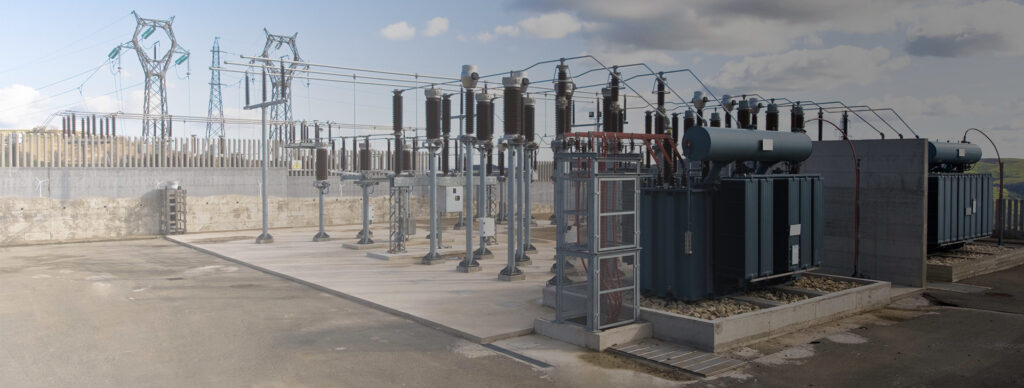
Professional Transformer Maintenance Johannesburg
Transformer maintenance Johannesburg is an essential service for industrial facilities, commercial buildings, factories and property managers that depend on reliable electrical distribution equipment. At Yonke Solutions, we provide electrical services in Johannesburg and welcome enquiries about transformer inspections, preventative maintenance, fault diagnosis and related electrical infrastructure requirements.
Electrical transformers are important components of power distribution systems. They transfer electrical energy between circuits at different voltage levels, helping buildings and industrial facilities receive electricity suitable for their operations.
When transformers develop faults, the consequences can include interrupted electricity supply, damaged equipment, production delays and potentially serious safety hazards.
Regular maintenance helps identify developing problems, assess equipment condition and plan corrective work before failures occur.
Whether you manage a warehouse, manufacturing facility, commercial property or private electrical installation, arranging suitable transformer maintenance can help protect your infrastructure investment.
1. Professional Transformer Maintenance Johannesburg
Transformers play a critical role in supplying electricity to industrial, commercial and infrastructure facilities.
Many businesses depend on transformers to distribute electricity from the incoming supply to equipment operating at lower voltages.
Depending on the installation, a transformer may supply manufacturing machinery, building distribution boards, lighting systems, heating equipment and other electrical loads.
Because transformers often operate continuously, their condition can affect the reliability of an entire electrical installation.
Professional transformer maintenance Johannesburg involves assessing equipment condition, identifying abnormalities and recommending suitable maintenance or corrective work.
Maintenance requirements vary according to the transformer’s design, voltage rating, operating environment, age and service history.
For example, an oil-immersed distribution transformer has different maintenance requirements from a dry-type transformer installed inside a commercial building.
An effective maintenance programme should therefore be based on the actual equipment and the manufacturer’s recommendations.
At Yonke Solutions, our electrical service offering is focused on Johannesburg businesses and property owners.
Customers can contact us to discuss transformer-related requirements and establish the appropriate scope of technical assistance.
2. Why Regular Transformer Maintenance Is Important
Electrical transformers represent a significant investment.
Failure of a transformer can affect multiple electrical circuits and interrupt operations across an entire property.
Routine maintenance aims to identify conditions that may lead to premature deterioration or unexpected failure.
Reduce Unexpected Electrical Interruptions
A transformer fault may interrupt electricity supply to connected equipment.
In industrial environments, unexpected outages can stop production lines and affect delivery schedules.
Identifying developing problems can help facilities plan maintenance around operational requirements.
Protect Electrical Equipment
Abnormal transformer operation may be associated with overheating, insulation deterioration or electrical faults.
These conditions can affect the transformer and connected infrastructure.
Suitable testing and inspections help assess whether corrective action is required.
Support Transformer Service Life
Transformers are designed for extended operation, but their service life depends on loading, temperature, insulation condition and other factors.
Maintenance helps owners understand equipment condition and plan appropriate interventions.
Improve Electrical Safety
Transformer installations can contain hazardous voltages and substantial stored or available electrical energy.
Faults may create fire, arc-flash or electric shock risks.
Inspection and maintenance should be conducted under an appropriate electrical safety management system.
Plan Maintenance Budgets
Condition assessments can help businesses anticipate maintenance expenditure rather than relying entirely on emergency repairs.
Our transformer maintenance Johannesburg enquiries often relate to protecting business continuity and reducing avoidable electrical problems.
3. Types of Electrical Transformers
Different transformer designs require different maintenance procedures.
Understanding the equipment type is an important first step.
Distribution Transformers
Distribution transformers are used to supply electricity at voltages suitable for local distribution networks and customer installations.
They are common in commercial, industrial and utility applications.
Oil-Immersed Transformers
Oil-immersed transformers use insulating liquid for electrical insulation and heat transfer.
Maintenance may include examining the condition of the insulating oil, seals, cooling equipment and other components.
Dry-Type Transformers
Dry-type transformers use solid insulation systems rather than conventional liquid-filled tanks.
They are used in various indoor and industrial applications.
Their maintenance requirements may include appropriate visual inspections, ventilation assessments and electrical testing.
Industrial Power Transformers
Larger industrial transformers may support significant electrical loads.
Their maintenance programmes may involve specialised testing, monitoring and outage planning.
Step-Down Transformers
Step-down transformers reduce voltage from one level to another.
They are commonly used where incoming electricity must be supplied at a lower voltage.
Step-Up Transformers
Step-up transformers increase voltage and are used in certain generation and transmission applications.
Maintenance should always be based on the specific transformer’s design and operating conditions.
4. Preventative Transformer Maintenance Johannesburg
Preventative maintenance is a planned approach to keeping electrical equipment in suitable operating condition.
Instead of waiting for a breakdown, property owners arrange inspections and testing according to equipment requirements.
Scheduled Condition Assessments
Periodic assessments can help identify visible deterioration, unusual operating conditions and maintenance requirements.
The scope depends on the equipment and site conditions.
Maintenance History Reviews
Previous test results, repairs and operational records can provide useful information about a transformer’s condition.
Comparing results over time may reveal developing trends.
Visual Condition Checks
Appropriate external inspections can identify visible corrosion, contamination, oil leakage or damaged components.
These observations may indicate that further assessment is necessary.
Temperature and Loading Reviews
Excessive operating temperatures can accelerate insulation ageing.
Reviewing loading and temperature information may help identify operating conditions requiring attention.
Planned Maintenance Outages
Some transformer maintenance activities require an electrical shutdown.
These activities must be coordinated with the facility operator and authorised electrical personnel.
Maintenance Documentation
Clear records help property owners track work completed, recommendations and future inspection requirements.
Preventative transformer maintenance Johannesburg can therefore support both technical reliability and long-term asset management.
5. Transformer Inspection Services Johannesburg
Transformer inspections are an important part of understanding equipment condition.
A visual inspection can identify certain abnormalities, but it cannot confirm that every internal component is healthy.
A comprehensive condition assessment may require additional specialist testing.
Transformer Tank Inspections
Oil-filled transformer tanks can be examined externally for visible corrosion, damage and signs of leakage.
Any concerns should be assessed according to the manufacturer’s guidance.
Insulator and Bushing Condition
Bushings provide insulated connections through transformer enclosures.
Visible damage or contamination may require further investigation.
Cable Connection Assessments
Transformer cable connections are critical parts of the electrical installation.
Suspected overheating, damaged insulation or connection problems require specialist attention.
Earthing System Condition
Effective earthing is an important part of electrical safety.
Earthing arrangements should be assessed against the applicable installation requirements.
Transformer Mounting and Enclosures
Equipment supports, enclosures, fencing and access arrangements should be maintained in suitable condition.
Inspection Reporting
A useful inspection report identifies observed conditions, test findings where applicable and recommended follow-up actions.
Customers seeking transformer maintenance Johannesburg should ask what is included in the proposed inspection.
6. Transformer Oil Testing and Analysis
Insulating oil is an important component of many liquid-filled transformers.
It provides electrical insulation and helps transfer heat away from internal components.
Over time, oil condition can change because of moisture, ageing, contamination and operating stresses.
Oil testing can provide information about the condition of the insulating liquid and, in some cases, the transformer itself.
Insulating Oil Condition
Laboratory testing may assess electrical and chemical properties relevant to oil performance.
The appropriate tests depend on the equipment and maintenance objectives.
Moisture in Transformer Oil
Excessive moisture can reduce insulating performance and contribute to insulation deterioration.
Specialist testing can help assess moisture-related concerns.
Dissolved Gas Analysis
Dissolved gas analysis examines gases present in insulating oil.
Interpreting these results can help specialists investigate certain developing internal conditions.
Oil Leakage
Visible oil leakage should be investigated because it may indicate seal or equipment deterioration.
Leak management must also consider environmental requirements.
Oil Sampling Safety
Transformer oil sampling should be carried out only by competent personnel using approved procedures and appropriate protective equipment.
Customers should confirm whether laboratory testing and sampling are included in a maintenance quotation.
7. Electrical Transformer Testing Johannesburg
Electrical testing provides additional information that cannot always be obtained through visual inspection.
Different tests assess different aspects of transformer condition.
The required testing programme depends on equipment type, voltage rating, maintenance history and the concerns being investigated.
Insulation Assessment
Insulation-related tests may help evaluate the condition of electrical insulation systems.
Testing must follow appropriate standards and manufacturer instructions.
Winding Condition
Specialist tests can help assess certain winding characteristics and identify possible abnormalities.
Transformer Ratio Testing
Ratio testing may be used to verify relevant transformer characteristics and investigate specific concerns.
Protection System Checks
Protective equipment plays an important role in detecting abnormal electrical conditions.
Testing and maintenance should be performed by authorised specialists.
Thermal Assessment
Where appropriate, thermographic inspections can help identify abnormal temperature patterns.
Findings must be interpreted in the context of operating load and equipment design.
Technical Test Reports
A professional testing programme should produce clear records of the tests performed, results and any recommended follow-up work.
Transformer maintenance Johannesburg may require specialised test equipment and qualified technical personnel.
8. Transformer Cooling System Maintenance
Transformers generate heat during normal operation.
Cooling systems help manage operating temperatures and protect insulation from excessive thermal stress.
The cooling method depends on transformer design.
Cooling Radiators
Some oil-filled transformers use radiators to dissipate heat.
Their visible condition can be assessed for damage, contamination and leakage.
Cooling Fans
Transformers with forced-air cooling may use fans to increase heat removal.
Fan condition and operation can affect cooling performance.
Ventilation
Dry-type transformers often rely on suitable airflow.
Blocked ventilation openings or unsuitable environmental conditions can contribute to overheating.
Temperature Monitoring
Temperature indicators and monitoring equipment can provide useful operational information.
Abnormal readings should be investigated.
Cooling System Faults
Cooling problems may increase equipment temperatures and reduce operating margins.
Any repair work should follow manufacturer requirements and appropriate isolation procedures.
9. Transformer Fault Finding Johannesburg
Transformer problems can arise from electrical, mechanical, thermal or environmental conditions.
Correct diagnosis is important before repairs or replacement decisions are made.
Transformer Overheating
Possible causes include excessive loading, cooling problems or internal faults.
The actual cause must be established through appropriate assessment.
Unusual Transformer Noise
Transformers normally produce some operational sound.
Significant changes in noise may justify further investigation.
Electrical Protection Trips
Protective devices may operate when abnormal conditions are detected.
Repeated trips should not be bypassed or ignored.
Insulation Problems
Insulation deterioration can affect electrical reliability and safety.
Specialist testing may be needed to evaluate the condition.
Oil Leaks
Oil leakage may result from deteriorated seals, damaged fittings or other defects.
The equipment should be assessed before corrective work is planned.
Unexpected Supply Interruptions
An electrical interruption may originate from the transformer, protection system, upstream supply or downstream equipment.
A structured fault investigation helps avoid incorrect assumptions.
Yonke Solutions welcomes enquiries concerning transformer maintenance Johannesburg and associated electrical fault diagnosis.
10. Transformer Repairs and Corrective Maintenance
Maintenance inspections may identify problems requiring repair.
Corrective work should be planned according to the fault, equipment condition and safety requirements.
Minor Component Defects
Some external components may be repairable or replaceable, subject to the transformer’s design and the work being authorised.
Damaged Electrical Connections
Connection faults require careful assessment and appropriate electrical procedures.
Transformer Seal Problems
Certain oil-filled transformers may require attention to seals or fittings.
Any work must consider oil containment and environmental protection.
Cooling Equipment Repairs
Defective cooling components may require specialist maintenance or replacement.
Transformer Replacement
Some transformers are no longer economical or safe to repair.
Replacement decisions should consider technical condition, capacity requirements and lifecycle costs.
Specialist Repair Requirements
Major transformer repairs can require specialised facilities, equipment and expertise.
Where necessary, work should be referred to suitably qualified transformer specialists.
Add Your Heading Text Here
Why is regular transformer maintenance important?
Regular transformer maintenance helps identify potential faults, reduce unexpected breakdowns and maintain reliable electrical distribution. It can also help extend the equipment’s operational lifespan.
How often should an electrical transformer be serviced?
Transformer maintenance intervals depend on the transformer’s type, age, operating conditions, manufacturer recommendations and inspection history. A qualified electrical professional can recommend an appropriate maintenance schedule.
What are the common signs that a transformer needs maintenance?
Warning signs include unusual humming or buzzing, overheating, oil leaks, unusual smells, visible damage and unexpected electrical interruptions. These symptoms should be investigated by a qualified technician.
What does transformer maintenance involve?
Transformer maintenance may include visual inspections, checking electrical connections, assessing insulation condition, monitoring temperature, inspecting cooling systems and testing protective components. The exact work depends on the transformer type and condition.
Can transformer maintenance prevent electrical failures?
Preventative maintenance can help identify developing problems before they cause major equipment failures. However, it cannot eliminate every possible fault or guarantee uninterrupted operation.