
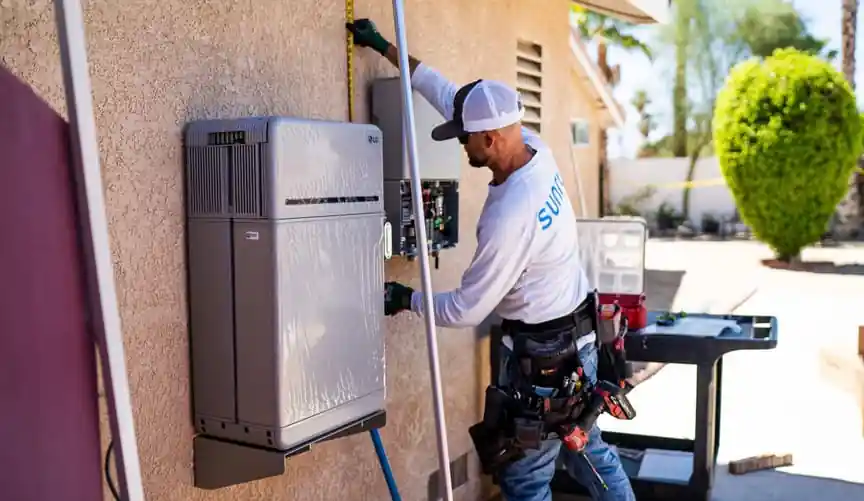
Why Solar Inverter and Battery Maintenance Matters
Solar power systems provide an alternative way to manage electricity consumption and maintain backup power. However, installing solar panels, an inverter and batteries is only part of the process.
Your system also needs proper maintenance to operate reliably. Without regular inspections, small problems can affect battery performance, energy production and overall system efficiency.
In Johannesburg, many property owners rely on solar installations to support their electricity needs. Maintaining these systems helps protect the investment and reduce unexpected interruptions.
Yonke Solutions provides technical services across electrical and solar-related requirements, helping customers address their infrastructure needs.
Understanding How Solar Inverters and Batteries Work
A solar power system uses several components to convert and manage electricity.
Solar panels generate electricity from sunlight. The inverter converts the electricity into a form suitable for compatible appliances and electrical systems.
Batteries store available energy for later use. This stored electricity can support your property when solar production decreases or the grid supply becomes unavailable.
Each component plays an important role. Therefore, poor performance in one area can affect the entire system.
Signs Your Solar Inverter Needs Attention
Your inverter communicates important information about your solar system.
Look out for these warning signs:
1. Frequent Inverter Alarms
Repeated warning messages may indicate system faults, temperature problems or electrical issues. Always consult the manufacturer’s instructions and arrange professional assessment.
2. Unexpected System Shutdowns
An inverter that frequently switches off may have an underlying electrical or equipment problem.
3. Reduced Solar Performance
If your system produces less usable electricity than expected, the inverter settings, solar input or other components may require inspection.
4. Unusual Noises or Excessive Heat
Unusual sounds or excessive temperatures should never be ignored. These conditions may indicate ventilation problems or equipment faults.
5. Persistent Error Codes
Different inverter models display different error codes. A qualified technician can interpret these messages and investigate the cause.
Common Signs of Solar Battery Problems
Solar batteries require suitable operating conditions and maintenance according to their type and manufacturer.
Watch for the following signs:
Batteries discharge faster than expected.
Backup power does not last as long as before.
The battery struggles to reach its normal charge level.
Battery monitoring displays unusual readings.
The system frequently reports battery-related errors.
Battery performance can depend on age, temperature, charging settings and usage patterns.
Professional assessment helps determine whether the problem involves the battery or another part of the system.
Essential Solar Inverter and Battery Maintenance Practices
Maintaining a solar system involves more than checking whether it switches on.
Consider these important maintenance practices:
1. Schedule Professional Inspections
Regular inspections help identify loose connections, damaged components and other potential problems.
2. Monitor System Performance
Pay attention to energy production, battery charging and inverter alerts. Changes in performance may indicate an issue.
3. Maintain Proper Ventilation
Inverters and batteries need suitable installation environments. Follow manufacturer recommendations for ventilation and temperature control.
4. Check Electrical Connections
Qualified technicians should inspect relevant electrical connections and protective equipment.
5. Follow Manufacturer Guidelines
Different battery technologies and inverter models have different maintenance requirements. Always follow the manufacturer’s instructions.
Why Professional Solar Maintenance Is Important
Solar installations involve electrical components that require careful handling.
Attempting repairs without the correct knowledge can damage equipment and create safety risks.
Professional maintenance helps identify developing faults, assess system performance and determine whether components require attention.
It also helps property owners make informed decisions about repairs, replacements and future upgrades.
Why Choose Yonke Solutions?
A reliable solar installation requires proper electrical planning, suitable equipment and ongoing attention.
Yonke Solutions supports electrical and solar-related infrastructure requirements. The right technical assistance can help customers maintain their systems and address performance concerns.
Whether you need assistance with a solar installation or an existing system, discuss your requirements with Yonke Solutions.
Contact Yonke Solutions for Solar Solutions
Do not wait until your backup power system stops working before arranging maintenance.
Contact Yonke Solutions to discuss your solar and electrical requirements.
Frequently Asked Questions
How often should a solar inverter be serviced?
A solar inverter should be inspected regularly and serviced according to the manufacturer’s recommendations. Routine checks help identify warning signs, dust build-up, ventilation problems and possible electrical faults before they affect performance.
How often should solar batteries be maintained?
Solar battery maintenance depends on the battery type and manufacturer’s guidelines. However, regular inspections can help identify unusual heating, damaged connections, warning lights and other potential problems.
What are the signs that a solar inverter needs maintenance?
Common warning signs include unusual noises, frequent system shutdowns, error messages, overheating and inconsistent power supply. If these problems occur, arrange an inspection by a qualified solar technician.
Why is my solar battery not holding its charge?
A solar battery may struggle to hold its charge because of battery ageing, incorrect settings, charging problems or a faulty connection. Therefore, a professional inspection can help identify the cause.
Does load shedding affect solar inverter and battery performance?
Load shedding increases reliance on your backup power system. As a result, your inverter and batteries may experience more frequent charge and discharge cycles, depending on your energy usage and system configuration.
Can dust affect solar inverter performance?
Yes. Dust can block ventilation openings and contribute to overheating if it builds up around the inverter. Therefore, keeping the surrounding area clean and well ventilated is important.
How can I extend the lifespan of my solar battery?
Follow the manufacturer’s charging guidelines, avoid unsuitable operating conditions and arrange regular inspections. In addition, ensure that the inverter settings are compatible with your battery specifications.
Why does my solar inverter keep switching off?
An inverter may switch off because of overheating, battery issues, electrical faults, overloads or system protection settings. A qualified technician should inspect recurring shutdowns to identify the underlying problem.
Should I switch off my solar inverter when it is not in use?
This depends on your system design and manufacturer’s instructions. Some systems are designed to remain operational continuously. Always follow the recommended shutdown procedure rather than switching off components without guidance.
When should I call a professional for solar inverter and battery maintenance in Johannesburg?
Contact a qualified technician if your system displays repeated error messages, fails to charge properly, overheats, shuts down unexpectedly or provides inconsistent backup power. Professional maintenance can help identify faults and keep your system operating safely and efficiently.