
Street Lighting Installation Johannesburg for Roads, Estates & Commercial Sites
A street-lighting project is not simply a collection of poles with luminaires attached. It is a continuous infrastructure system involving lighting positions, electrical distribution, underground routes, foundations, controls, road interfaces and future maintenance access.
Yonke Solutions provides street lighting installation in Johannesburg for private roads, residential estates, industrial facilities, commercial properties, parking environments, access routes and appropriate infrastructure projects requiring new or upgraded external lighting.
The scope can bring together the electrical and civil activities required to move from a proposed lighting layout to a functioning installation—including route preparation, pole positions, cable infrastructure, equipment interfaces, installation sequencing and final testing.
Street & Roadway Lighting
Pole Foundations & Installation
Cable Routes & Electrical Distribution
Controls, Testing & Handover

LIGHTING THE ROUTE
First Understand What
Needs to Be Seen
The installation process should begin with the space that needs to be illuminated. A private estate road has a different operating environment from an industrial loading route. A commercial access road differs from a parking area. A pedestrian route differs from a vehicle-only service road. Where the project requires professional lighting design or photometric calculations, those responsibilities should be assigned appropriately and the installation should follow the approved design.
Yonke Solutions should not present arbitrary pole spacing or luminaire wattages as universal solutions. The correct layout depends on the project’s actual lighting requirements.
The project therefore starts with questions about how the area functions:
- Where do vehicles move?
- Where do pedestrians cross?
- Where are entrances and intersections?
- Are there gates or security points?
- Where are parking areas?
- Are there bends, changes in level or obstructions?
- What existing lighting already exists nearby?
- Where are buildings, trees and overhead constraints?
- How will maintenance equipment reach the poles later?
These questions influence the proposed lighting layout before civil or electrical installation begins.
A Street Lighting Project Starts With the Area, Not the Pole
WHERE THE LIGHTING SYSTEM MEETS THE SITE
First Understand What
Needs to Be Seen
For this reason, pole positions should be coordinated before foundations and cable routes are constructed. On estates and commercial sites, proposed positions can also be compared against landscaping plans, road layouts and other technical services.
For industrial properties, vehicle routes deserve particular attention. A pole placed too close to a turning area or operational traffic route can create an avoidable site constraint even if the electrical installation itself is correct. Street-lighting layout therefore requires both lighting logic and construction awareness.
Once the lighting intent is understood, pole positions need to work with the physical environment.
A pole location can affect:
- road visibility
- driveways
- underground utilities
- pedestrian movement
- landscaping
- walls and fences
- overhead services
- future road work
- maintenance access
- electrical cable routes
Moving a pole several metres may change both the lighting performance and the civil/electrical infrastructure required to reach it.
Street-Light Positions Affect More Than Illumination
STREET LIGHTING CAPABILITY
Street Lighting Installation Services
Road & Access Route Lighting
Lighting infrastructure for private roads, access routes, estate roads and appropriate roadway environments. The project can involve lighting positions, electrical routes, pole foundations, cabling and associated distribution requirements according to the approved project scope.
Estate & Development Street Lighting
Street-lighting installations for residential estates, mixed-use developments and property projects requiring coordinated lighting across internal roads and common areas. Pole locations should be considered alongside roads, landscaping, driveways, utilities and electrical infrastructure.
Industrial & Commercial Road Lighting
External lighting for industrial parks, warehouses, factory roads, loading approaches, commercial sites and large operational properties. These environments may require lighting routes that work around vehicle movement, security infrastructure and existing utilities.
Street Lighting Upgrades & Replacement Projects
Existing lighting infrastructure can sometimes be replaced or upgraded where poles, luminaires, cabling, controls or distribution equipment no longer suit project requirements. The condition of the existing system should first be assessed before deciding what can reasonably be retained.
LIGHTING THE ROUTE
Underground Cable Routes & Duct Infrastructure
Street Lighting Depends on a Continuous Electrical Route
The cable infrastructure connecting lighting points is just as important as the luminaires themselves.
Underground routes can involve:
- trenches
- ducts
- sleeves
- road or driveway crossings
- cable infrastructure
- equipment interfaces
- building or distribution-point entries
- backfill
- final reinstatement
The route should be defined before excavation. Digging first and solving electrical routing afterwards can create unnecessary bends, incorrect termination points or clashes with existing services.
A route survey may be particularly valuable where the installation covers a long road, crosses several surfaces or passes through an operational industrial environment.
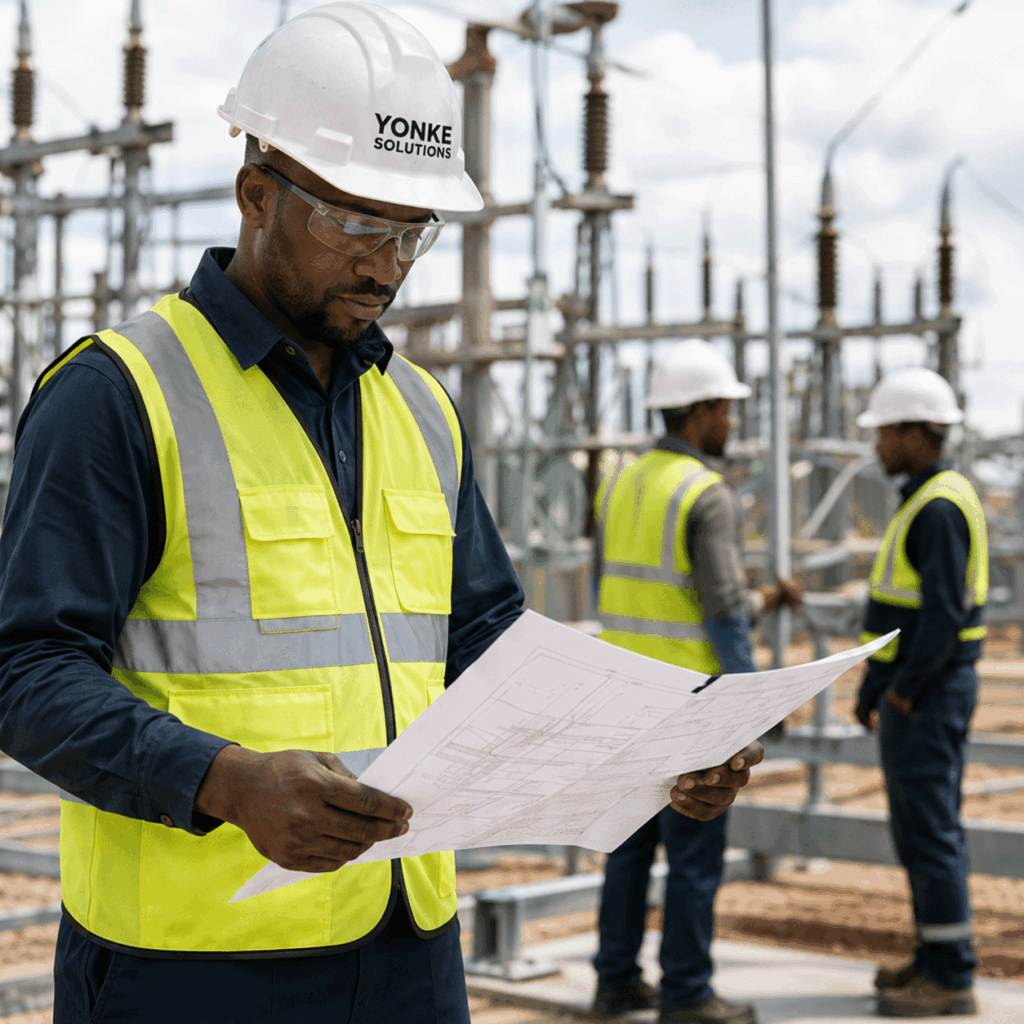
The route should also account for existing infrastructure. Where the precise location of underground services is uncertain, additional investigation may be required before excavation begins. Construction Regulations require contractors carrying out excavation work to ascertain, as far as reasonably practicable, the location and nature of services that could be affected.
WHEN THE LIGHTING ROUTE CROSSES THE ROAD
Road Crossings Require Early Planning
A Few Metres Can Become the Most Complex Part of the Project
A street-lighting cable route may be straightforward along a verge but significantly more complicated where it needs to cross a roadway.
Road crossings can affect:
- traffic
- road surfaces
- existing utilities
- reinstatement
- authority approvals
- project programme
- construction methodology
On private property, the appropriate crossing method depends on the site’s requirements and construction specification. Where works enter Johannesburg public road reserves, additional Johannesburg Roads Agency requirements can apply.
JRA states that wayleave approval is used to monitor and control works undertaken within the road reserve, including utility infrastructure.
Its current wayleave requirements further state that roads may not simply be excavated without special permission and contain specific requirements for service identification, backfilling and reinstatement. This means road-reserve interfaces should be identified during project planning rather than discovered after trenching has begun.
LIGHTING EQUIPMENT
Luminaires Are Only One Component of the System
Select Equipment Against the Actual Project Requirement
LED luminaires are widely used in modern external-lighting projects, but simply specifying “LED” does not define whether a fitting is suitable for a particular road or site. The lighting equipment should be matched to the intended application.
The project specification may define requirements relating to matters such as:
- lighting performance
- mounting
- environmental exposure
- equipment construction
- electrical characteristics
- controls
- maintenance
- applicable standards
Where a client already has an approved specification or lighting schedule, that information should form part of the quotation. Where professional lighting design is required, the equipment should follow that design rather than being selected solely from a catalogue.
Street-lighting projects are often marketed primarily around the luminaire. The complete installation needs a wider perspective. Luminaire selection may need to consider the approved lighting design, mounting position, distribution characteristics, project environment, controls, electrical requirements and maintenance strategy.
GETTING POWER TO THE LIGHTING NETWORK
Power Distribution for Street Lighting
Lighting infrastructure needs a suitable electrical supply and distribution arrangement. Depending on the project, the electrical scope may involve:
- supply point
- feeder arrangements
- distribution equipment
- cable sizing according to design
- protection
- switching
- control equipment
- isolating arrangements
- earthing
- equipment interfaces
The distribution arrangement should reflect the approved electrical design and site requirements.
Larger infrastructure projects may need to coordinate with wider LV distribution systems.
THE LIGHTS TURNING ON IS NOT THE ENTIRE HANDOVER
Testing, Identification & Handover
A Completed System Should Be Understandable After Installation
A street-lighting installation eventually becomes an asset that someone needs to operate and maintain. That makes identification and project information important. Depending on the agreed scope, handover information can include:
- circuit identification
- lighting-point references
- distribution information
- control information
- route information
- test records
- equipment schedules
- applicable drawings
- maintenance considerations
The exact documentation depends on the project specification.
The goal is to avoid leaving the client with a system where no one can determine how the lighting points relate to the distribution infrastructure. This becomes particularly important on large estates, industrial sites and multi-road facilities.
STREET LIGHTING IS BOTH ELECTRICAL AND CONSTRUCTION WORK
Electrical & Construction Compliance Context
Apply the Requirements Relevant to the Actual Project
South Africa’s Electrical Installation Regulations state that electrical installations must be designed and installed in accordance with the health and safety standards incorporated into those regulations. Projects involving trenching and civil preparation must also consider applicable construction requirements.
The Construction Regulations 2014 contain specific requirements relating to excavations, including assessment of existing services, stability and protection of excavations accessible to the public or near roads.
Where work takes place within a Johannesburg road reserve, JRA wayleave requirements become another project interface. JRA explains that this approval process is intended to coordinate work in the road reserve and protect roads and other services.
Applicable South African National Standards should also be identified from the project specification. SABS explains that South African National Standards are developed, maintained and revised through its formal standards process. These authorities should be referenced to explain the project environment—not to imply that Yonke Solutions holds an approval, registration or appointment that has not been verified.
LIGHTING PROJECTS NEED MORE THAN A LUMINAIRE SUPPLIER
Connecting Civil, Electrical and Infrastructure Requirements
Rather than repeating the same generic benefits used on other Yonke pages, use project-specific differentiators.
Route-to-Pole Coordination
Cable routes, foundations and lighting positions are treated as connected infrastructure.
Civil + Electrical Capability
Projects can coordinate trenching, foundations and relevant electrical installation requirements.
Infrastructure Perspective
Street lighting can connect with wider distribution, road, industrial and property infrastructure.
Private-Site Project Support
Estate, industrial and commercial environments can be assessed around their actual operating conditions.
Maintenance-Aware Planning
Equipment positions and project information should support future access and maintenance.
PROUDLY SERVING
Street Lighting Pretoria & Gauteng
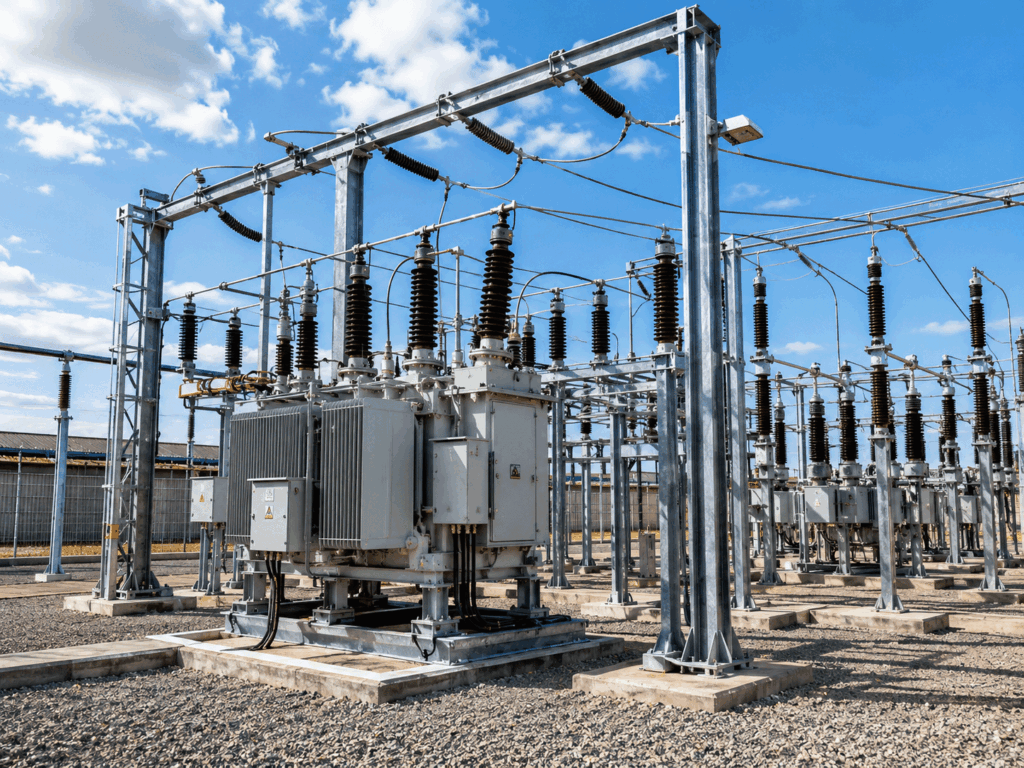
Street Lighting Installation Pretoria
Projects in Pretoria can also be assessed for private roads, estates, industrial facilities and appropriate infrastructure environments. Useful information includes the site plan, road layout, proposed lighting design where available, electrical supply information and site photographs.
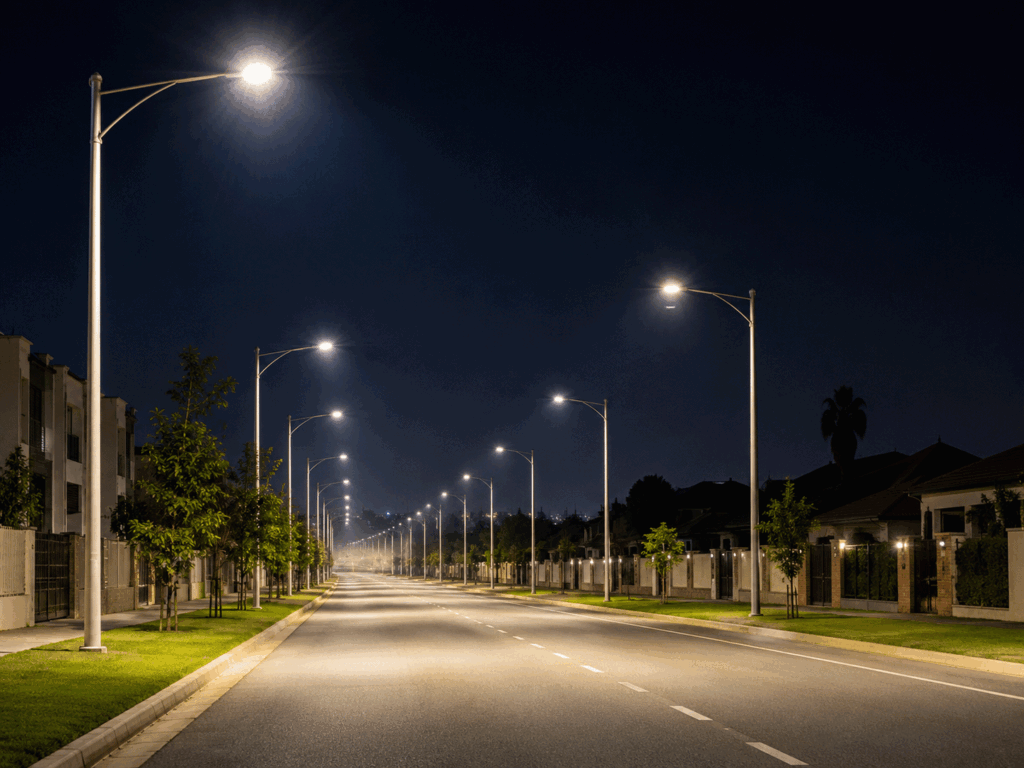
Street Lighting Installation Gauteng
For developers, property owners or organisations operating several Gauteng sites, street-lighting requirements can be assessed against each property’s own infrastructure conditions. The physical layout, electrical supply, road ownership and approval requirements may vary between sites and should not be assumed to be identical.

Discuss Your Street Lighting Installation in Johannesburg
Whether the project involves an industrial road, residential estate, commercial site or new development, the lighting system should be planned as complete infrastructure—from the electrical route below ground to the luminaire above it. Send Yonke Solutions your site location, road layout, proposed lighting positions, available drawings and electrical information.
We can determine whether the next step should be project clarification, a route assessment, site assessment or formal quotation.