
Industrial Civil Works Johannesburg for Factories, Warehouses & Operational Sites
Industrial sites require civil works that account for far more than the dimensions of an excavation or concrete pour.
Yonke Solutions provides industrial civil works in Johannesburg for factories, warehouses, workshops, logistics facilities, plant areas and other operational properties where new infrastructure must be introduced without losing sight of access, production, existing services and the technical equipment the civil work is intended to support.
Projects may involve service trenches, electrical infrastructure routes, concrete equipment bases, plant plinths, yard modifications, underground duct routes, civil preparation for substations or building services, and reinstatement around existing operations.
The scope is developed around the industrial environment itself: vehicle movements, machinery, live services, restricted work areas, equipment interfaces and the practical sequence required to get the work completed.
Industrial Trenching & Utility Routes
Equipment Bases & Concrete Plinths
Factory & Warehouse Civil Upgrades
Operational-Site Reinstatement

INDUSTRIAL SITES ARE NOT BLANK CONSTRUCTION SITES
Why Industrial Civil Works
Need a Different Approach
A greenfield project offers the opportunity to establish routes before the site becomes operational.
Industrial civil work is often different.
Factories and warehouses may already contain machinery, forklifts, loading areas, electrical infrastructure, drainage, fibre routes, fire systems, process services and decades of previous alterations.
The civil contractor is therefore working inside an existing system.
A trench may appear straightforward on a drawing but cross a forklift route used every few minutes. A new concrete base may need to be positioned beside operational equipment. Excavation may take place near existing power or communications infrastructure. A slab opening may affect access between production and storage areas.
The key questions become:
- What must remain operational?
- Which routes cannot be blocked?
- What existing services are likely to be present?
- Can the work occur during normal operations?
- Is a shutdown window required?
- How will excavated material be managed?
- How will open work areas be isolated?
- What equipment must ultimately fit onto or inside the civil works?
- When can reinstatement take place?
- Which other contractor needs access before the trench or slab is closed?
For industrial clients, civil work is often successful not simply because the concrete or excavation is correct, but because the work is correctly sequenced around the facility.
Civil Work Must Fit Around the Operation, Not the Other Way Around
INDUSTRIAL CIVIL CAPABILITY
Civil Infrastructure Designed
Around Industrial Operations
Industrial Excavation & Service Trenches
Excavation and trenching for electrical, fibre, communications, drainage and other technical service routes within factories, warehouses, industrial yards and multi-building facilities. Industrial trenching often needs to account for existing slabs, buried services, vehicle routes, production access and the infrastructure that will ultimately occupy the route.
Equipment Foundations & Concrete Bases
Concrete bases, plinths and selected foundation works for industrial electrical equipment, plant, outdoor equipment and technical infrastructure. Final dimensions, reinforcement requirements, loads and fixing details should follow the appropriate project drawings or engineering information where structural design is required.
Factory & Warehouse Civil Alterations
Civil modifications associated with equipment upgrades, service rerouting, building-service changes and infrastructure expansion inside or around existing industrial properties. This may involve selective breaking, trench formation, concrete repair, slab reinstatement and preparation for new technical services.
Industrial Yard & Infrastructure Works
Civil preparation, underground service routes, selected hardstanding repairs and infrastructure support within yards, loading environments, external plant areas and service zones. Final construction requirements depend on traffic loading, surface specification, drainage, existing services and how the area is used operationally.
SERVICE CORRIDORS & UNDERGROUND INFRASTRUCTURE
Industrial Trenching Johannesburg
Trenching for Industrial Power, Fibre and Technical Services
Industrial facilities often evolve faster than the original infrastructure was designed to accommodate. A factory may add new machinery. A warehouse may introduce automation or additional CCTV. A facility expansion may require more electrical capacity. A second building may need a fibre link. Each change can create a new underground or floor-level route requirement. Industrial trenches can support infrastructure such as:
- LV electrical cabling
- selected MV distribution routes
- fibre optic infrastructure
- structured communications backbones
- CCTV network infrastructure
- external lighting feeds
- equipment supplies
- control cabling
- ducts and sleeves
- technical service crossings
The civil portion should be coordinated with the relevant technical design before excavation begins.
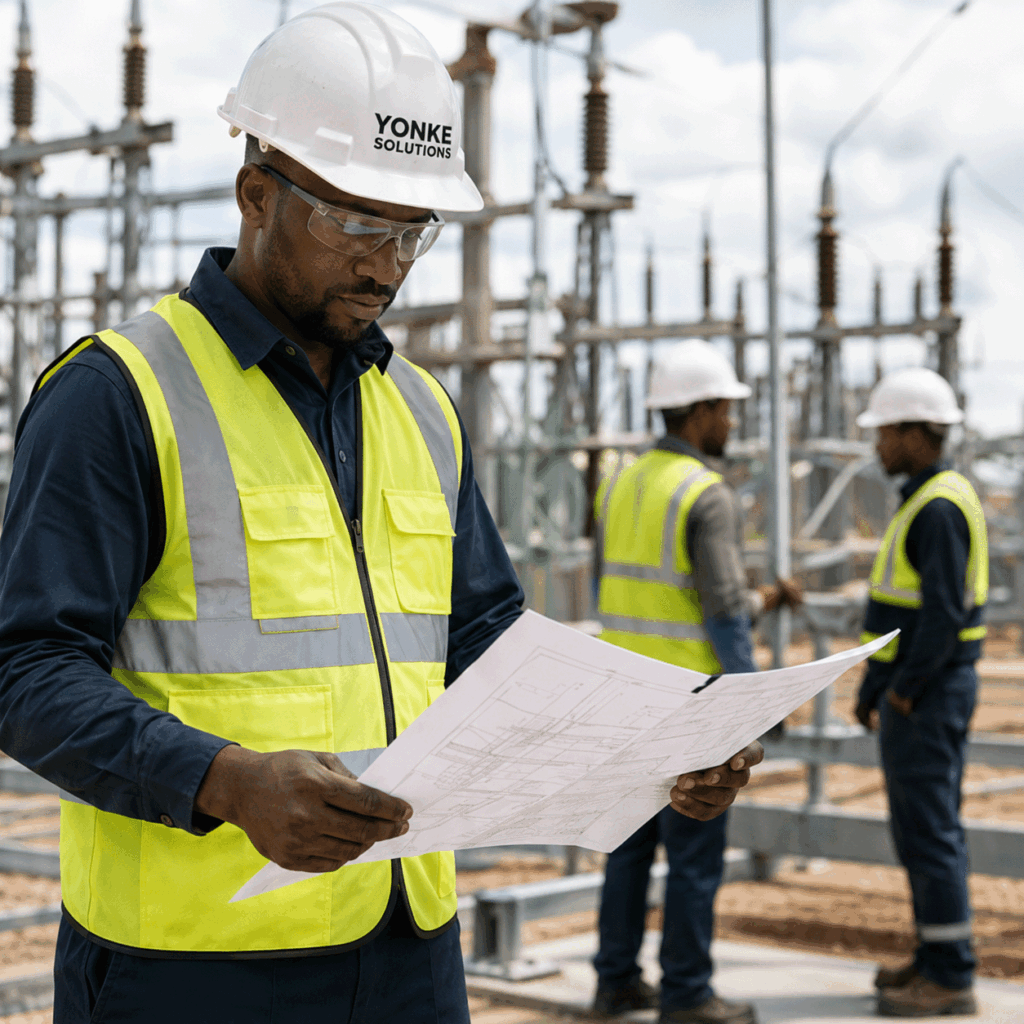
Inside Existing Buildings
Internal floor trenching may require cutting or breaking existing slabs to create a route for new infrastructure. Before this occurs, the required path should be confirmed against equipment positions, existing services, operational traffic and the final floor finish.
External Industrial Routes
Outdoor routes may pass through yards, landscaped areas, concrete aprons, paving or other site surfaces. The reinstatement requirement can therefore differ substantially along a single route.
INDUSTRIAL CONCRETE WORKS
Equipment Foundations, Plinths & Machine Bases
Concrete Infrastructure Has to Match the Equipment
Factories and industrial facilities frequently require concrete works for equipment and technical installations.
The civil requirement might be a relatively small outdoor equipment plinth or a more substantial base associated with plant or electrical infrastructure.
Whatever the size, the concrete work must relate to the equipment it supports.
Important information can include:
- equipment footprint
- operating weight
- fixing or bolt positions
- cable-entry requirements
- clearances
- finished height
- drainage requirements
- vibration considerations
- access for installation
- surrounding floor levels
Equipment Plinths
Plinths can help position equipment above surrounding surfaces, establish mounting levels or create an organised technical installation area.
Electrical Infrastructure Bases
Switchgear, outdoor electrical equipment and related infrastructure may require accurately constructed concrete support works.
Retrofitting Into Existing Facilities
Brownfield industrial projects can be more complex because the new base must work around existing slabs, services, walls, equipment and access conditions. That means the site information is as important as the concrete specification.
FLOOR-LEVEL INFRASTRUCTURE
Industrial Slab Alterations & Reinstatement
Restoring Industrial Areas After Technical Work
Industrial floors may need to be opened to introduce new services or modify existing infrastructure.
The civil scope can involve:
- controlled floor opening
- excavation beneath slabs
- service-route formation
- selected concrete repairs
- closing redundant openings
- reinstatement after cable or duct installation
- preparation around equipment zones
The final reinstatement must account for how the floor is used. A low-traffic plant room is different from a warehouse aisle handling loaded forklifts throughout the day. Likewise, a temporary patch and a permanent industrial reinstatement are not necessarily the same scope.
CONTROLLED WORK IN HIGH-ACTIVITY ENVIRONMENTS
Industrial Construction
Responsibilities & Safety
Where professional civil engineering design or responsibility forms part of the project, the appropriate professional appointment should also be defined.
The Engineering Council of South Africa regulates the engineering profession and publishes a Code of Practice for the Performance of Civil Engineering Work.
Public-sector industrial or infrastructure procurement can also involve the cidb Register of Contractors, where Civil Engineering is recognised as a specific class of construction works.
Yonke Solutions should refer to these frameworks as project context and should only claim a specific professional registration, contractor grading or accreditation where the status has been verified.
Civil work inside operational industrial environments can involve excavation, construction plant, moving vehicles, electrical infrastructure and interaction with ongoing site activities.
Project safety requirements should therefore reflect the specific site and construction scope.
South Africa’s Construction Regulations 2014 form part of the occupational health and safety framework applicable to construction activities and address matters such as construction management and competent appointments.
The Project Is Not Complete When the Cable Goes Into the Trench
Why Choose Yonke Solutions?
A trench, base or slab opening exists for a reason. Understanding the electrical, fibre, equipment or infrastructure requirement helps define the civil work properly.
Commercial
Industrial
Municipal
We Consider the Facility Around the Work
Routes, access, production areas and operating restrictions influence how industrial work should be planned.
We Think About the Next Contractor
A civil scope should leave the site ready for the technical installation that follows it.
We Define Reinstatement Upfront
Industrial clients should know whether a scope includes excavation only or the complete restoration of affected areas.
We Can Connect Civil Work to Related Infrastructure Services
Where relevant, civil work can be coordinated alongside Yonke Solutions' electrical, fibre, network, street-lighting and other infrastructure services.
HOW INDUSTRIAL PROJECTS MOVE FORWARD
Industrial Civil Works Process
Understand the Operation
We establish what the facility does, where the proposed civil work takes place and what needs to remain accessible or operational. Available drawings, site information, equipment details and photographs help frame the initial scope.
Map the Civil Interface
The civil requirement is coordinated with the technical infrastructure, equipment or service route it needs to support. Dimensions, route conditions, access, surfaces and reinstatement requirements are clarified.
Execute in the Agreed Work Window
Construction is sequenced around the approved project programme and relevant site constraints. Where another contractor must install equipment, cables or services before the civil works are closed, that interface is coordinated into the sequence.
Reinstate for Operations
Affected areas are closed and reinstated according to the agreed scope after the required infrastructure work has been completed. The objective is to return the work area to the defined operational condition.
PROUDLY SERVING
Industrial Civil Works Pretoria & Gauteng
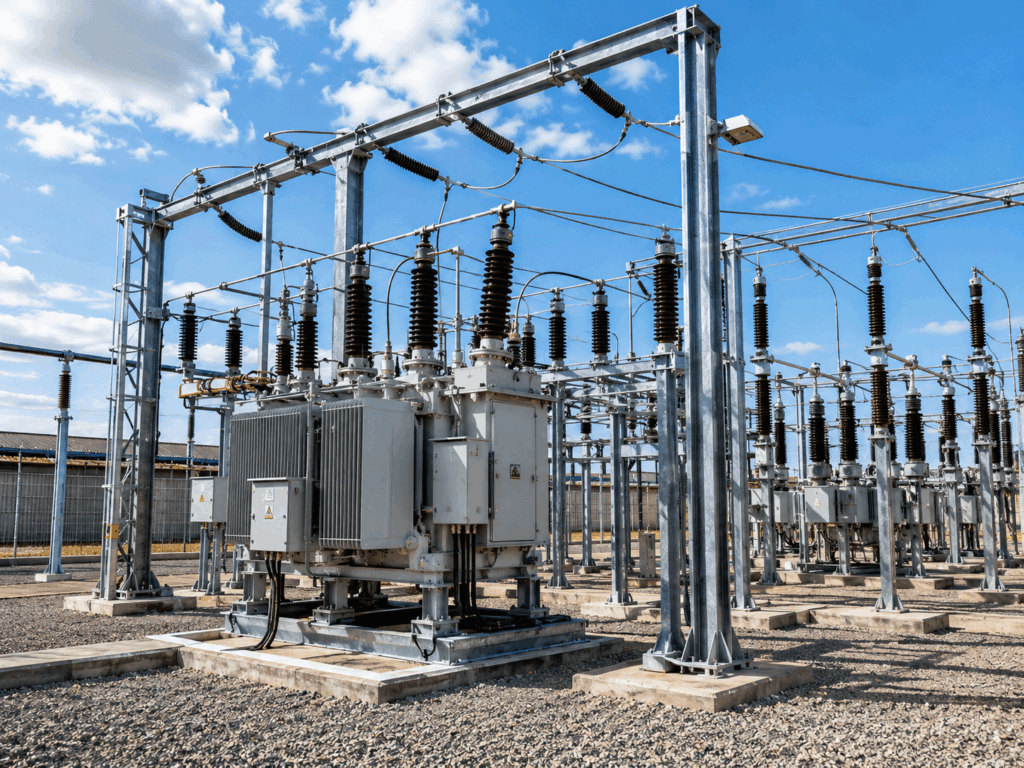
Industrial Civil Works Pretoria
Industrial projects in Pretoria can also be assessed for trenching, concrete works, equipment infrastructure and selected factory or warehouse modifications.
Where drawings exist, they should form part of the initial enquiry.
For brownfield facilities, photographs and a site inspection may also be useful in understanding existing conditions.

Industrial Civil Works Gauteng
Clients operating multiple industrial properties across Gauteng can discuss site-specific or recurring infrastructure requirements. For portfolio or multi-facility projects, consistent scope templates can make it easier to document:
- site conditions
- route quantities
- surface types
- etc

Discuss Your Industrial Civil Works Project
Industrial civil work should begin with an understanding of the facility, the infrastructure being installed and the operating constraints around the work. Send Yonke Solutions your site location, drawings, photographs, route information, equipment requirements and preferred project timing.
We can then determine whether the next step is scope clarification, a site assessment or a formal quotation.