
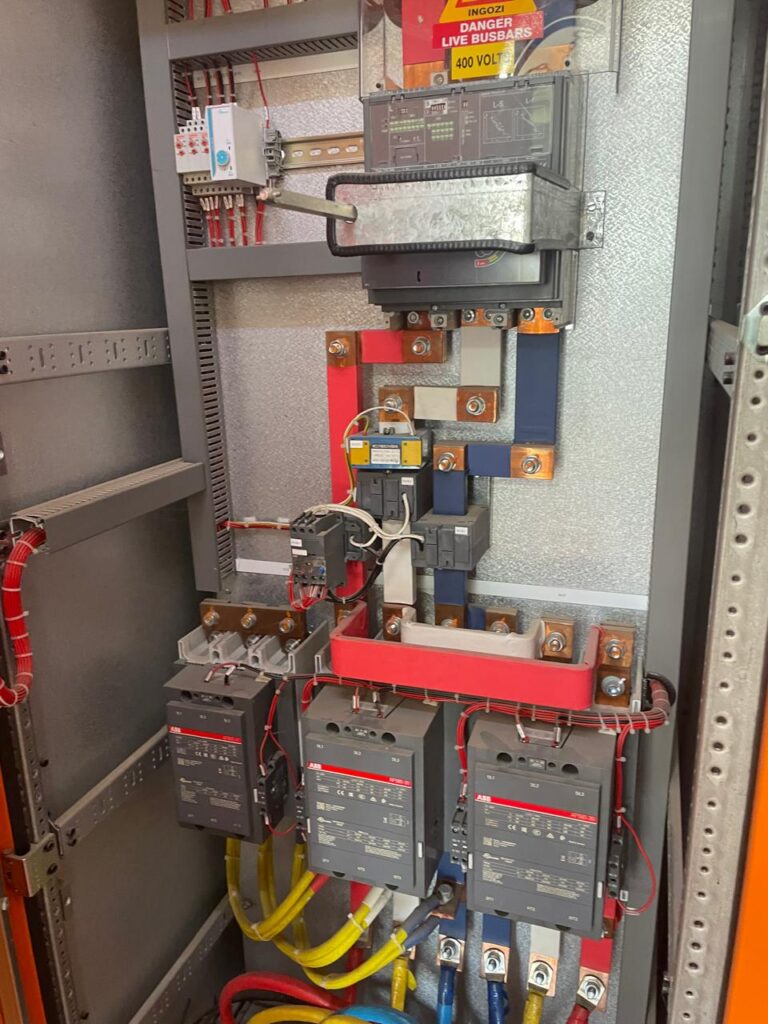
Why Is My Geyser Not Heating Water?
A geyser uses different components to heat and store water. When one of these components stops working, your hot water supply may be affected.
1. Faulty Geyser Heating Element
The heating element is responsible for heating water inside an electric geyser.
Over time, the element can become damaged or stop working.
Common signs include:
Water remaining cold.
Water taking longer to heat.
Hot water running out quickly.
The geyser failing to reach the correct temperature.
A qualified technician can test the heating element and determine whether replacement is necessary.
2. Faulty Thermostat
The thermostat controls the temperature of the water inside your geyser.
If it becomes faulty, it may prevent the heating element from operating correctly.
This can result in water that is too cold or inconsistent temperatures.
A professional inspection can determine whether the thermostat needs adjustment or replacement.
3. Electrical Supply Problems
Electric geysers depend on a reliable electricity supply.
A tripped circuit breaker, faulty connection or damaged electrical component can interrupt the heating process.
If your geyser suddenly stops heating water, an electrical fault could be responsible.
Never open the geyser’s electrical connections yourself. Contact a qualified electrician.
4. Tripped Circuit Breaker
our geyser usually operates through a dedicated electrical circuit.
If the circuit breaker trips, the electricity supply to the geyser may stop.
Possible causes include electrical faults, overloaded circuits and damaged components.
Do not repeatedly reset a breaker that continues to trip. Arrange a professional inspection.
5. Damaged Geyser Insulation
Geyser insulation helps maintain the temperature of stored water.
Damaged or deteriorating insulation can cause heat loss.
As a result, your water may cool down faster than expected.
A technician can inspect the geyser and recommend suitable solutions.
6. Sediment Build-Up
Mineral deposits and sediment can accumulate inside some geysers over time.
This build-up may affect heating efficiency and place additional pressure on components.
Regular professional maintenance can help identify sediment-related problems.
7. Water Leaks
A leaking geyser can affect your hot water supply.
Leaks may occur around pipes, valves, connections or the geyser tank itself.
Look for visible water around the geyser or signs of moisture nearby.
If you notice a leak, arrange professional assistance. A leaking tank may require replacement.
Why Does My Geyser Only Produce Lukewarm Water?
Lukewarm water can indicate that your geyser is not heating water properly.
Possible causes include:
A faulty thermostat.
A damaged heating element.
Incorrect temperature settings.
Excessive hot water consumption.
Heat loss through poor insulation.
A professional inspection can help identify the exact cause.
How Can You Prevent Geyser Problems?
Regular maintenance can help keep your geyser operating efficiently.
Consider these simple maintenance practices:
Check for Leaks: Inspect visible pipes and connections for signs of water damage.
Monitor Water Temperature: Pay attention to changes in your hot water supply.
Arrange Professional Inspections: Have electrical and mechanical components checked when necessary.
Avoid DIY Electrical Repairs: Always use a qualified professional for electrical work.
Address Problems Early: Do not ignore unusual noises, leaks or repeated electrical trips.
When Should You Call a Professional?
Some geyser problems require immediate attention.
Contact a qualified professional if:
Your geyser stops heating water.
Your circuit breaker keeps tripping.
You notice water leaking from the geyser.
The geyser makes unusual noises.
You notice burning smells or damaged wiring.
Your water temperature changes unexpectedly.
If you notice electrical hazards or significant water leakage, keep away from the affected equipment and seek urgent assistance.
Get Professional Geyser Assistance from Yonke Solutions
A faulty geyser can affect your comfort and daily routine.
If your geyser is not heating water, identifying the underlying problem is important.
Yonke Solutions can help you explore suitable electrical and energy solutions for your home or business.
Contact Yonke Solutions today for professional assistance and reliable service
Frequently Asked Questions
Why is my geyser not heating water?
A geyser may stop heating water because of a faulty thermostat, damaged heating element, electrical supply problem or tripped circuit breaker. A professional inspection can help identify the cause.
Why is my geyser water cold even though the power is on?
This may happen when the heating element is damaged or the thermostat is not working correctly. Although the power supply is on, the geyser may not be heating the water as expected.
How long does a geyser take to heat water?
Heating time depends on the geyser’s capacity, the incoming water temperature, the heating element and the thermostat settings. A larger geyser generally takes longer to heat than a smaller one.
Can a faulty thermostat stop a geyser from heating?
Yes. The thermostat controls the water temperature by regulating the heating element. If it becomes faulty, it may prevent the water from heating properly or cause inconsistent temperatures.
How do I know if my geyser heating element is faulty?
Common signs include water that remains cold, takes unusually long to heat or does not reach the selected temperature. A qualified technician can test the heating element and determine whether it needs replacement.