
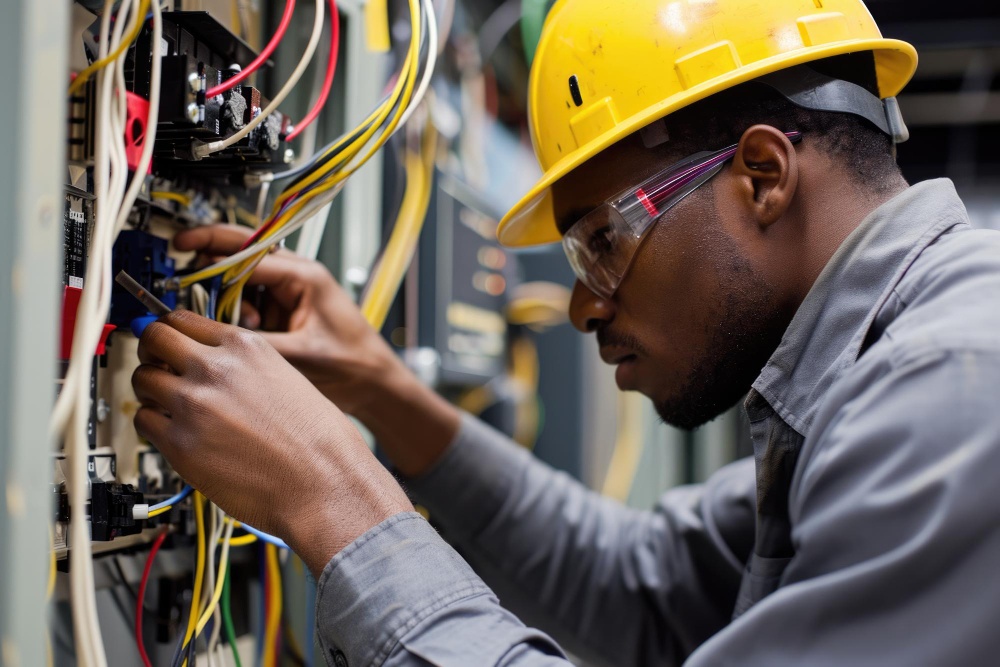
What Is Fibre Optic Installation?
Fibre optic installation involves setting up cables that transmit information using light signals. These cables contain thin strands of glass or plastic designed to carry data over distances.
Unlike traditional copper cables, fibre optic technology supports high-speed data transmission with less signal interference.
Businesses use fibre connections for activities such as:
Video conferencing and online meetings.
Cloud-based applications.
Large file transfers.
Online transactions.
Business communication systems.
Connecting multiple office locations.
Professional fibre optic installation helps establish a suitable network for your business requirements.
How Does Fibre Optic Installation Work?
Installation complexity.
Network equipment requirements.
Additional infrastructure work.
Some businesses may also need internal network upgrades before connecting to fibre.
Fibre optic installation involves setting up cables that transmit information using light signals. These cables contain thin strands of glass or plastic designed to carry data over distances.
Unlike traditional copper cables, fibre optic technology supports high-speed data transmission with less signal interference.
Businesses use fibre connections for activities such as:
Video conferencing and online meetings.
Cloud-based applications.
Large file transfers.
Online transactions.
Business communication systems.
Connecting multiple office locations.
Professional fibre optic installation helps establish a suitable network for your business requirements.
How Does Fibre Optic Installation Work?
Installing fibre optic infrastructure involves several important steps. Each stage helps ensure that the network operates correctly.
1. Site Assessment and Planning
The first step involves assessing your business premises. Installers consider the building layout, network requirements and existing infrastructure.
This assessment helps determine the most suitable cable routes and connection points.
2. Fibre Cable Installation
Once planning is complete, technicians install the fibre optic cables.
Depending on the property, cables may run through underground ducts, overhead routes or existing building infrastructure.
Proper cable routing helps protect the network and supports reliable connectivity.
3. Fibre Cable Splicing
Fibre optic cables sometimes require joining to create continuous connections.
Technicians use specialised equipment to align and fuse the fibre strands. This process is called fibre splicing.
Correct splicing helps reduce signal loss and maintain connection quality.
4. Equipment Installation
Fibre connections require suitable network equipment.
Depending on the setup, this may include optical network terminals, routers, switches and distribution equipment.
The equipment connects the fibre infrastructure to your business network.
5. Testing and Activation
After installation, technicians test the connection to identify potential faults.
Testing may include checking signal levels, connection quality and network performance.
Once the service provider activates the connection, your business can start using its fibre network.
Benefits of Fibre Optic Installation for Businesses
Choosing fibre connectivity can offer several advantages for commercial properties.
Faster Internet Speeds
Fibre technology supports high-speed data transmission. This helps businesses manage demanding online activities more efficiently.
Reliable Business Connectivity
A stable network helps reduce interruptions during important business operations.
However, overall reliability also depends on the service provider, network equipment and maintenance.
Improved Communication
Fibre connectivity supports video conferencing, cloud communication and online collaboration tools.
This helps employees communicate and share information more efficiently.
Better Cloud Access
Many businesses rely on cloud-based software and storage systems.
Fibre connections can improve access to these services, especially when multiple employees work online simultaneously.
Support for Business Growth
As companies expand, their network requirements may increase.
A properly planned fibre network can support additional users, devices and business applications.
Fibre Optic vs Traditional Internet Connections
Fibre optic technology offers several advantages over traditional copper-based connections.
Fibre Optic Connections
Transmit data using light signals.
Support high-speed connectivity.
Offer strong resistance to electromagnetic interference.
Support high bandwidth requirements.
Traditional Copper Connections
Transmit data using electrical signals.
May experience electromagnetic interference.
Can have lower performance over longer distances.
May offer limited bandwidth compared with fibre.
The best option depends on your location, availability and business requirements.
How Much Does Business Fibre Installation Cost?
The cost of fibre optic installation for businesses depends on several factors.
These include:
Distance from the available fibre network.
Property size and layout.
Why Choose Professional Fibre Optic Installation?
Fibre networks require specialised equipment and technical knowledge.
Professional installation helps ensure that cables are routed correctly and connections meet the required specifications.
An experienced installation team can also help identify suitable equipment and network layouts.
This reduces the risk of connection problems and unnecessary installation costs.
Get Fibre Optic Installation Solutions from Yonke Solutions
Reliable connectivity helps businesses operate efficiently. Whether you need improved internet access or new network infrastructure, choosing the right fibre solution matters.
Yonke Solutions can help you explore fibre optic installation options for your business.
Contact Yonke Solutions today to discuss your connectivity requirements and find a suitable solution.
Frequently Asked Questions: How Does Fibre Optic Installation Work for Businesses?
1. What is fibre optic installation for businesses?
Fibre optic installation involves connecting a business premises to a fibre network using optical cables that transmit data through light signals. It provides fast, reliable internet connectivity for business operations.
2. How long does business fibre optic installation take?
Installation time depends on the building layout, existing infrastructure and distance from the fibre network. Some installations take a few hours, while more complex projects may take several days.
3. What equipment is needed for fibre optic installation?
A typical business fibre installation requires fibre optic cables, connectors, termination points, an Optical Network Terminal (ONT) and compatible networking equipment such as a router or switch.
4. Is fibre optic internet suitable for small businesses?
Yes. Fibre optic internet supports small businesses that rely on cloud applications, video conferencing, online transactions, file sharing and other internet-based services.
5. What are the benefits of fibre optic installation for businesses?
Fibre offers several benefits, including:
High-speed internet connectivity.
Reliable data transmission.
Improved upload and download performance.
Support for multiple connected devices.
Better communication and collaboration.
Scalability as business requirements grow.
6. Does fibre optic installation require drilling?
Sometimes. Technicians may need to drill small access points to route cables through walls, ceilings or conduits. However, the installation method depends on the building’s existing infrastructure.
7. Can fibre optic cables be installed in existing office buildings?
Yes. Fibre cables can often be routed through existing conduits, cable trays or communication pathways. Technicians assess the building before selecting the most suitable installation route.
8. Is fibre optic internet better than traditional copper connections?
Fibre generally offers higher bandwidth, faster data transmission and better performance over longer distances than traditional copper connections. However, the best option depends on availability, budget and business requirements.
9. How do I maintain a business fibre optic connection?
Keep fibre termination points clean and protected, avoid bending or damaging cables, and ensure networking equipment receives proper ventilation. Contact a qualified technician if connectivity problems occur.
10. Can fibre optic installation support multiple employees?
Yes. Business fibre connections can support multiple employees accessing cloud platforms, emails, video meetings and online systems simultaneously. The required bandwidth depends on the number of users and their internet activities.
11. What happens if a fibre optic cable gets damaged?
A damaged fibre cable can interrupt connectivity. A qualified technician must locate the damaged section, repair or replace the cable, and test the connection before restoring service.
12. How do I choose the right fibre optic installation provider?
Choose an experienced provider with appropriate technical expertise, quality installation practices and reliable support. Also consider network availability, installation costs, expected bandwidth and after-installation assistance.