
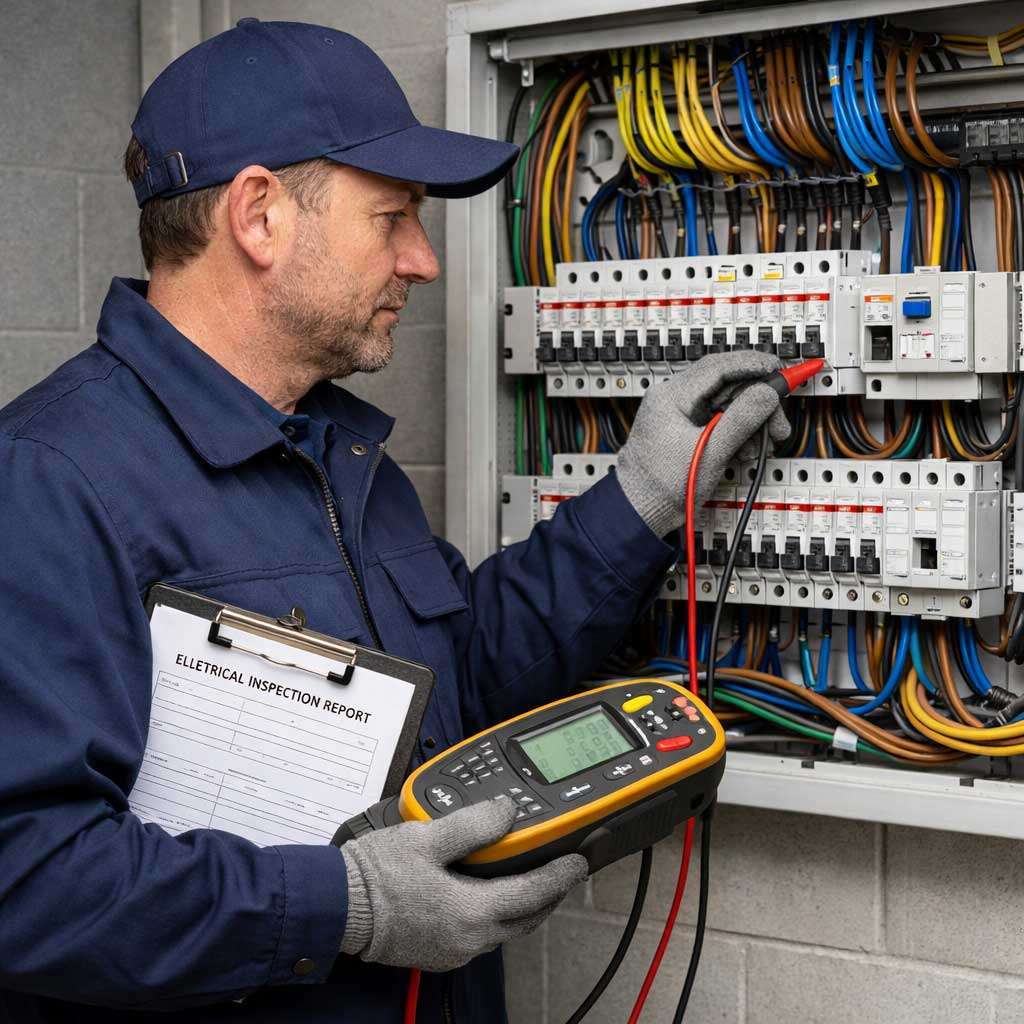
Why Is an Electrical Compliance Certificate Important?
Electricity powers almost every part of a modern property. However, faulty wiring, damaged electrical components and unsafe installations can create serious risks. Property owners must therefore pay attention to the condition of their electrical systems.
An Electrical Compliance Certificate (CoC) provides evidence that an electrical installation has been inspected and meets the applicable safety requirements. It helps property owners understand whether their electrical systems comply with relevant regulations.
Whether you own a residential, commercial or industrial property, electrical compliance should never be overlooked. Yonke Solutions supports electrical infrastructure and inspection-related requirements through professional electrical services.
What Is an Electrical Compliance Certificate?
An Electrical Compliance Certificate confirms that an electrical installation has been inspected by an appropriately registered electrical contractor and meets the applicable requirements.
In South Africa, electrical installations are governed by relevant electrical safety regulations and standards. These requirements help protect occupants, property and electrical equipment.
A CoC is particularly important when properties are transferred, when new installations are completed or when electrical alterations require certification.
Property owners should ensure that qualified professionals assess their installations before relying on their electrical systems.
When Do You Need an Electrical Compliance Certificate?
1. When Selling a Property
Property owners selling their homes may need to provide a valid Electrical Compliance Certificate. This helps demonstrate that the electrical installation meets the required safety standards.
2. After Electrical Installations
New electrical installations require appropriate inspection and certification. This ensures that completed work meets the applicable requirements.
3. After Electrical Alterations
Changes to an existing electrical installation may require additional inspection and certification. Examples include distribution board alterations and new electrical circuits.
4. When Purchasing a Property
Buyers should understand the condition of a property’s electrical installation before completing a transaction. An inspection can help identify possible compliance concerns.
Common Electrical Issues That Can Affect Compliance
An electrical installation may develop problems through ageing, poor workmanship or inadequate maintenance.
Some common concerns include:
Exposed electrical wiring.
Damaged plugs and electrical outlets.
Incorrect circuit protection.
Poor earthing arrangements.
Overloaded electrical circuits.
Damaged distribution boards.
Incorrectly installed electrical components.
These problems should receive attention from qualified electrical professionals. Property owners should never attempt dangerous electrical repairs themselves
Why Professional Electrical Inspections Matter
Electrical inspections help identify problems that may not be immediately visible. A qualified professional can assess electrical components, wiring arrangements and protective devices.
Regular inspections also help property owners understand the condition of their installations.
For commercial and industrial facilities, electrical compliance supports safer operations and better infrastructure management.
Why Choose Yonke Solutions?
Choosing the right electrical service provider matters when dealing with electrical infrastructure and safety.
Yonke Solutions focuses on electrical and technical services that support residential, commercial and infrastructure requirements.
Working with experienced professionals helps property owners identify electrical concerns and determine the appropriate next steps.
Contact Yonke Solutions for Electrical Services
Do not leave electrical safety to chance. Arrange professional assistance when your property requires electrical inspections, installations or maintenance.
Contact Yonke Solutions to discuss your electrical requirements and find an appropriate solution for your property.
Frequently Asked Questions
1. What is an Electrical Compliance Certificate?
It is a document confirming that an electrical installation has been inspected and meets the applicable safety requirements.
2. Who can issue an Electrical Compliance Certificate in South Africa?
An appropriately registered electrical contractor is responsible for inspecting and issuing the certificate.
3. Is an Electrical Compliance Certificate required when selling a property?
A valid certificate is generally required for property transfers under South African electrical installation regulations.
4. What happens if an electrical installation fails inspection?
The identified problems must be corrected by a qualified professional before the installation can receive the required certification.
5. Does an Electrical Compliance Certificate expire?
A CoC does not automatically expire after a fixed period. However, subsequent electrical alterations may require additional certification.