
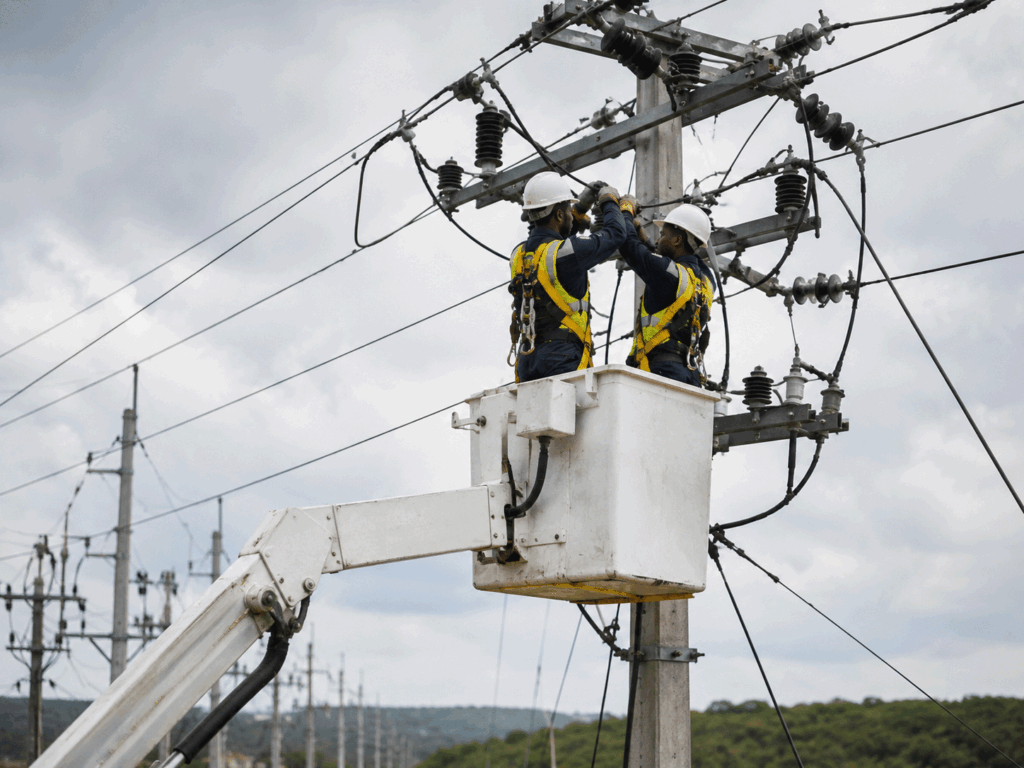
10 Common Electrical Problems in Commercial Buildings
Commercial buildings often have complex electrical systems. Here are ten common problems that can affect their performance.
1. Frequent Power Tripping
Frequent power tripping is one of the common electrical problems in commercial buildings.
Circuit breakers trip when they detect certain electrical faults or overload conditions. This helps protect electrical circuits and connected equipment.
Possible causes include:
Overloaded electrical circuits.
Short circuits.
Faulty electrical equipment.
Damaged wiring.
Earth leakage faults.
If your business experiences repeated power tripping, arrange a professional electrical inspection.
2. Overloaded Electrical Circuits
Commercial properties often operate multiple electrical appliances and machines.
Connecting too many devices to one circuit can exceed its designed capacity.
This may cause overheating and repeated circuit breaker trips.
A qualified electrician can assess the electrical load and recommend suitable circuit upgrades or distribution changes.
3. Faulty Electrical Wiring
Damaged or deteriorating wiring can create serious electrical risks.
Common warning signs include burning smells, discoloured outlets, unusual buzzing sounds and frequently tripping breakers.
Faulty wiring can affect equipment performance and increase the risk of electrical fires.
Arrange a professional inspection if you notice these warning signs.
4. Flickering or Dimming Lights
Flickering lights can indicate problems within a commercial electrical system.
Possible causes include:
Loose electrical connections.
Voltage fluctuations.
Faulty lighting components.
Overloaded circuits.
Wiring problems.
Although a faulty light fitting may cause the issue, repeated flickering throughout a building requires professional attention.
5. Electrical Surges
Electrical surges involve sudden increases in electrical voltage.
They can damage sensitive equipment such as computers, servers and communication systems.
Possible causes include lightning strikes, switching operations and faults within the electrical supply.
Suitable surge protection devices can help protect business equipment against certain electrical surges.
6. Faulty Plugs and Electrical Outlets
Damaged electrical outlets can affect equipment connections and create safety hazards.
Look out for:
Loose plug connections.
Cracked outlet covers.
Burn marks.
Unusual heat.
Sparking when connecting equipment.
Stop using damaged outlets and arrange professional repairs.
7. Poor Electrical Maintenance
Commercial electrical systems require regular inspections and maintenance.
Without proper maintenance, small electrical faults can develop into larger problems.
Maintenance may include checking distribution boards, circuit breakers, electrical connections and protective devices.
Regular inspections help identify potential issues before they disrupt business operations.
8. Inadequate Electrical Capacity
As businesses grow, their electricity requirements may increase.
Additional machinery, computers, lighting and other equipment can place greater demands on existing electrical infrastructure.
An electrical system that was suitable years ago may no longer support current business requirements.
A professional assessment can determine whether upgrades are necessary.
9. Generator and Backup Power Problems
Many businesses depend on backup power during electricity interruptions.
However, generators and backup systems can develop faults.
Common issues include:
Battery problems.
Faulty connections.
Generator starting failures.
Incorrect changeover operation.
Inadequate maintenance.
Regular servicing helps ensure that backup equipment remains ready when needed.
10. Faulty Distribution Boards
Distribution boards control and distribute electricity throughout commercial buildings.
Problems within these boards can affect multiple circuits and electrical equipment.
Warning signs may include burning smells, unusual noises, overheating and repeated breaker trips.
Only qualified electrical professionals should inspect or repair distribution board components.
What Causes Electrical Problems in Commercial Buildings?
Several factors can contribute to commercial electrical problems.
Ageing Infrastructure: Older buildings may have outdated wiring and electrical equipment.
Increased Electricity Demand: Additional equipment can place pressure on existing electrical circuits.
Poor Installation: Incorrect installation methods can create ongoing electrical faults.
Lack of Maintenance: Uninspected electrical systems may develop problems over time.
Environmental Conditions: Moisture, dust and heat can affect electrical components.
Understanding these causes helps businesses plan suitable electrical maintenance.
How Can Businesses Prevent Electrical Problems?
Preventative maintenance helps reduce unexpected electrical interruptions.
Consider the following measures:
-Schedule Regular Electrical Inspections
Arrange professional inspections to identify damaged wiring, overloaded circuits and faulty components.
-Avoid Overloading Circuits
Ensure electrical equipment operates within the capacity of its designated circuits.
-Maintain Electrical Equipment
Service generators, distribution boards and other electrical equipment according to their maintenance requirements.
-Install Suitable Protection Devices
Appropriate circuit breakers, earth leakage protection and surge protection help protect electrical systems.
-Address Warning Signs Early
Never ignore burning smells, unusual noises, overheating or repeated power interruptions.
Why Are Professional Electrical Services Important for Businesses?
Commercial electrical systems require proper planning, installation and maintenance.
Professional electrical services help businesses maintain safe and reliable electrical infrastructure.
An experienced electrical professional can:
Inspect electrical installations.
Identify electrical faults.
Assess electrical load requirements.
Recommend suitable upgrades.
Assist with electrical maintenance.
Address faulty electrical components.
Always use appropriately qualified electrical professionals for commercial electrical work
Get Professional Commercial Electrical Assistance from Yonke Solutions
Electrical problems can affect productivity, equipment and business safety.
Whether you operate an office, retail store, warehouse or industrial facility, maintaining your electrical system is essential.
Yonke Solutions can help you explore suitable electrical solutions for your commercial property.
Contact Yonke Solutions today to discuss your electrical requirements and request professional assistance.
Frequently Asked Questions
What are the most common electrical problems in commercial buildings?
Common electrical problems include frequent circuit breaker trips, overloaded circuits, faulty wiring, power outages, flickering lights, damaged outlets and malfunctioning electrical equipment.
Why does the electricity keep tripping in a commercial building?
Frequent tripping can be caused by overloaded circuits, short circuits, earth leakage faults or faulty electrical equipment. A qualified electrician should investigate the cause to prevent further problems.
What causes flickering lights in commercial buildings?
Flickering lights may result from loose connections, faulty light fittings, voltage fluctuations or problems with the electrical supply. Persistent flickering should be inspected by a qualified electrician.
How can overloaded electrical circuits affect a business?
Overloaded circuits can cause circuit breakers to trip, interrupt business operations and increase the risk of overheating and electrical fires. Electrical loads should be assessed to ensure they are distributed safely.
What are the warning signs of faulty electrical wiring?
Warning signs include burning smells, discoloured outlets, buzzing sounds, frequently tripping breakers, sparks and unusually warm switches or sockets. These issues should be checked by a qualified electrician.